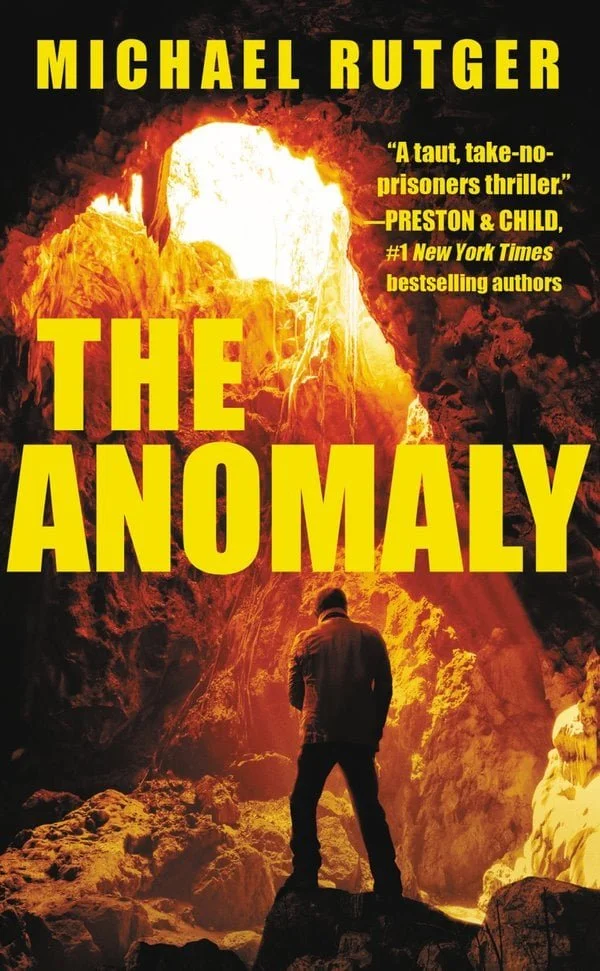
The Best Book I Read This Month: The Anomaly by Michael Rutger

The best book I read this month was a sci-fi adventure with an interesting premise. Michael Rutger’s The Anomaly centers on the cast and crew of a YouTube show that investigates unexplained phenomena. In this case, the team retraces the steps of an early 20th century expedition that discovered a mysterious cave in the Grand Canyon.

I don’t completely buy the explanation of events in the story, but I thoroughly enjoyed the adventure—largely because of the characters. Distinct characterizations made it easy to tell the characters apart, and I loved their interactions. While they would deny the characterization, it was clear they were a found family with all the appreciation, affection, needling, and frustration that families experience.

Then there’s the descriptions of the scenery, which were equally impressive: the beauty of the canyon, the claustrophobia of the cave—it all comes through in the prose. So does the action, which keeps the plot moving forward.

I would follow this group of characters on any adventure (and did, in the sequel The Possession). Alas, there are only two books in this “series,” so if I want to spend more time with them, I’ll need to reread one or both books.
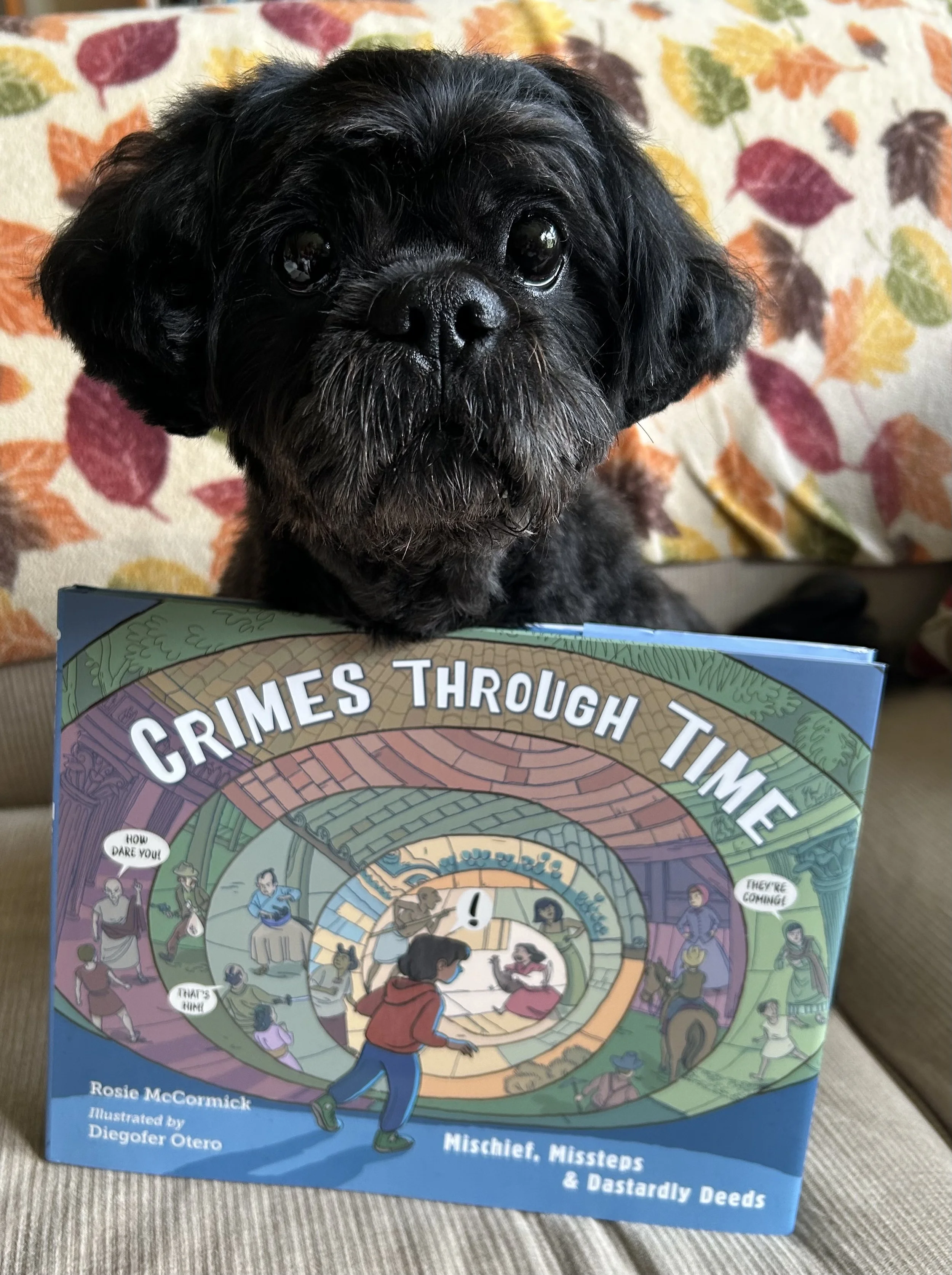
The Best Book I Read This Month: Crimes Through Time by Rosie McCormick

The best book I read this month was written for children but can be fun for adults too. Crimes Through Time: Mischief, Missteps and Dastardly Deeds by Rosie McCormick is a jaunt through history with a focus on what is and isn’t legal in selected societies around the globe.

Full disclosure: I have known Rosie for more than a decade and have been excited for this book since she first told me about it. It does not disappoint.

In Crimes Through Time, readers explore 11 different societies, from ancient Mesopotamia to Gold Rush California. They read a blurb about the culture and what behaviors are illegal in that society. Then readers are challenged to find the crimes in an illustrated street scene. A follow-up blurb identifies the crimes that readers should have found and explains what makes each instance a crime.

Diegofer Otero’s illustrations are delightful, full of whimsy and character. Some snippets of dialogue in the illustrations are quips that adults are more likely to recognize and appreciate (just like some of the dialogue in Disney movies and Looney Tunes), but young readers won’t miss anything by not getting the references.

In short, Rosie McCormick’s Crimes Through Time is a lot of fun—and a fun way to learn about history.

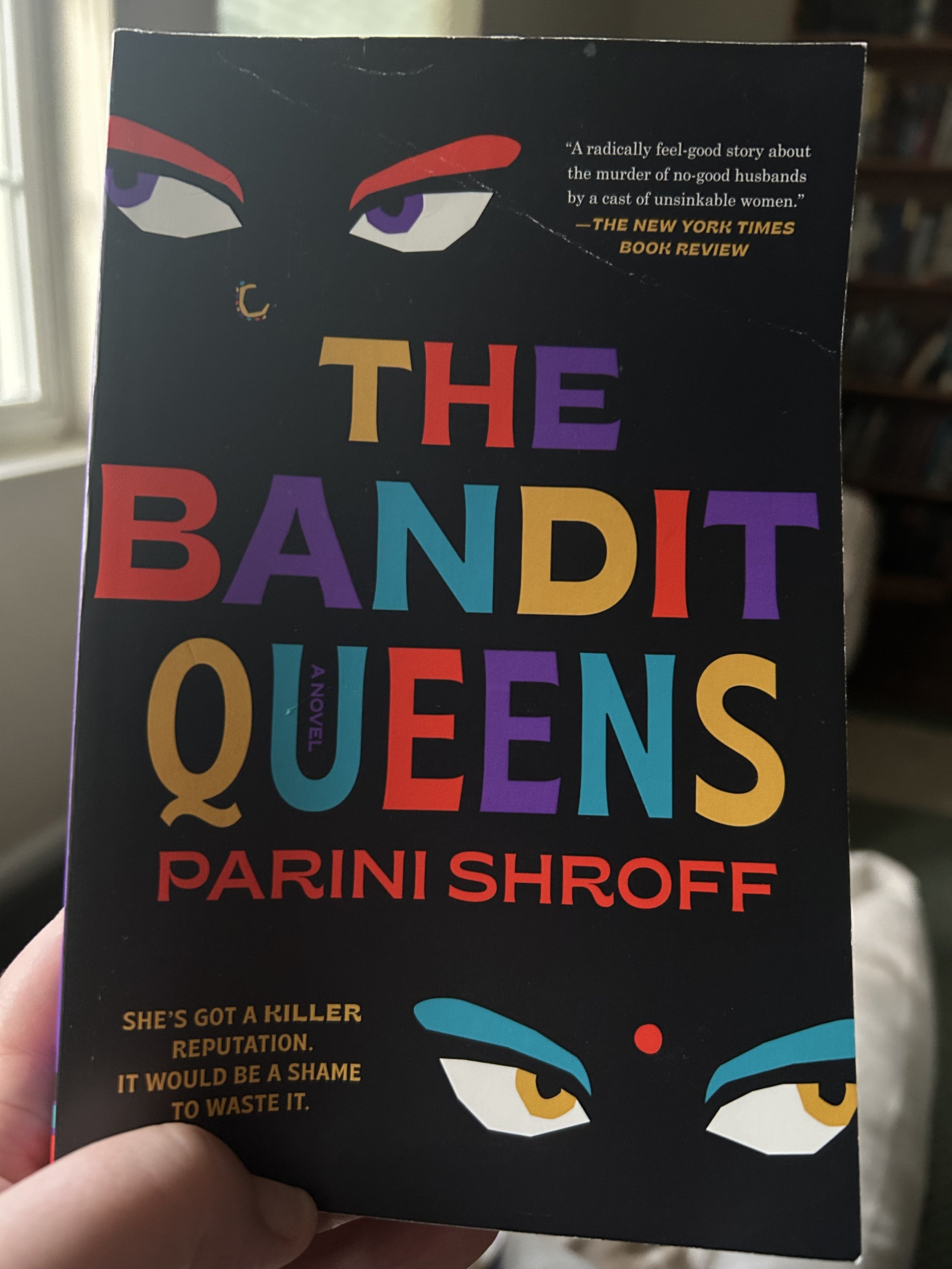
The Best Book I Read This Month: The Bandit Queens by Parini Shroff

The best book I read this month is a comedy of errors set in a small town in India. Parini Shroff’s The Bandit Queens tells the story of a group of women who conspire to murder their way out of abusive marriages.

At the center of the story and the group is Geeta, whose husband disappeared years before. Town gossip says she killed him, and the townspeople shun her as a murderess. When women in Geeta’s small loan group decided they want out of their marriages, they turn to Geeta to help them follow her (murderous) example.

Geeta, on the other hand, wants nothing to do with their conspiracies. She just wants to make and sell enough jewelry to afford a refrigerator. As she is pulled deeper and deeper into her friends’ schemes, she turns to the example of Phoolan Devi, India’s historical Bandit Queen, for guidance and inspiration.

Geeta and her friends end up on a hilarious and heartbreaking adventure involving blackmail, gangsters, moonshine, manipulation, and friendship. It was a rollicking ride that I finished in two days. I don’t know if Parini Shroff has more in store for Geeta and her sisters in crime, but I sure hope she does. I enjoyed every moment I spent with them.

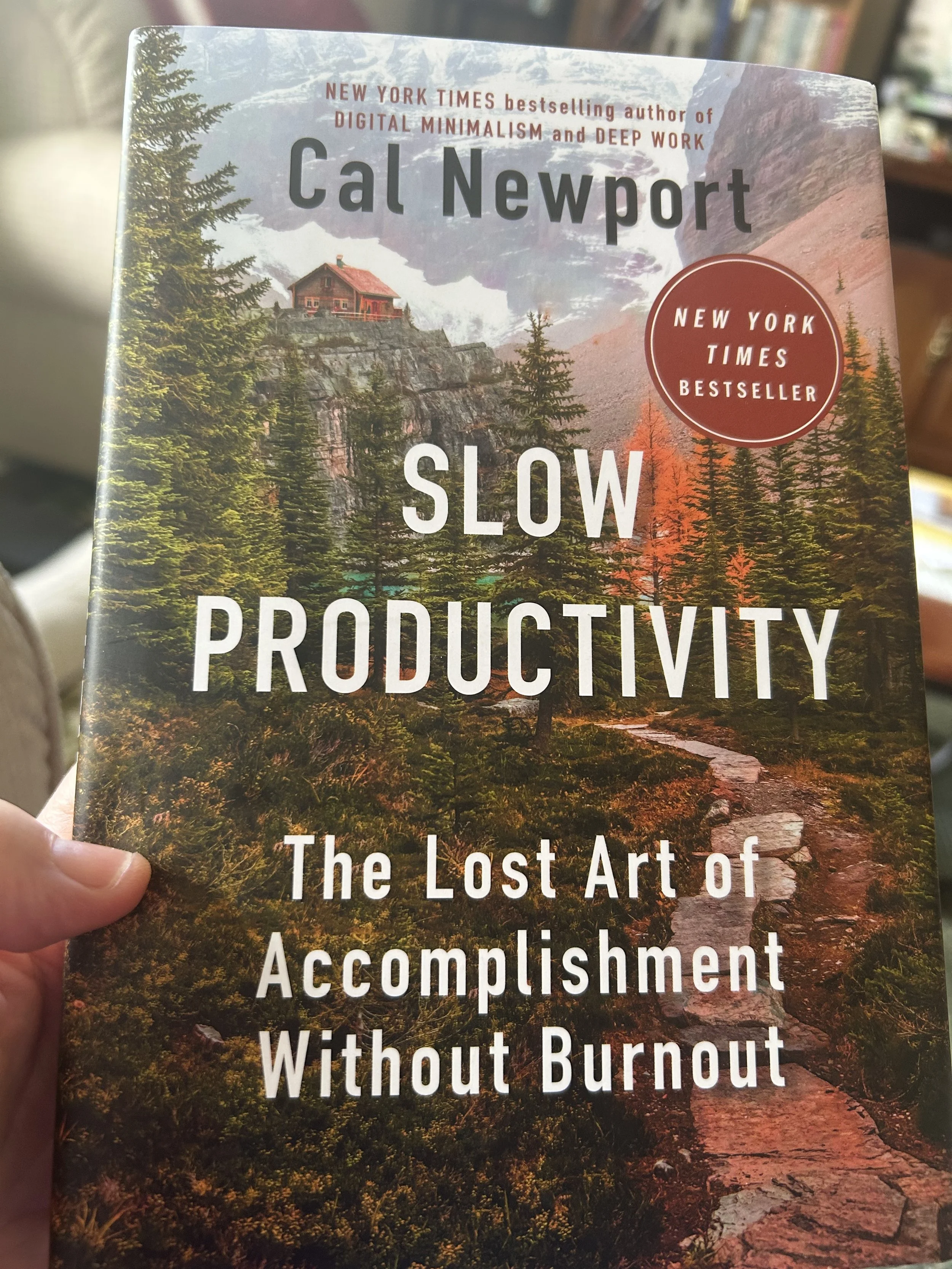
The Best Book I Read This Month: Slow Productivity by Cal Newport

The best book I read this month made me very angry. That strong response is why Cal Newport’s Slow Productivity: The Lost Art of Accomplishment Without Burnout I chose the book as my best read of June 2026.

To be clear, my anger is not directed at the book or its author. It’s anger at how the system exploits and harms workers, treating them like machines instead of human beings.

Newport argues that knowledge workers burn out from the relentless pace they are expected to work at and the amount of work they are expected to do. He points to the rise of what he calls “pseudo-productivity,” or the appearance of busyness, which often interferes with true productivity. Workers are expected to look busy all the time, when in reality, human beings need slow times and down times not just for their health but also to produce their best work. This feeds into another of Newport’s arguments: that the focus has shifted from quality of work to quantity.

Newport offers a plan to counter all of this:

  • Do fewer things.

  • Work at a natural pace.

  • Obsess over quality.

It’s a good plan but not always realistic. Many knowledge workers do not have the power or authority to implement it, in whole or in part. To his credit, Newport does acknowledge this. Still, his book made me want to burn everything down so we could start all over again. Knowledge workers of the world, unite!

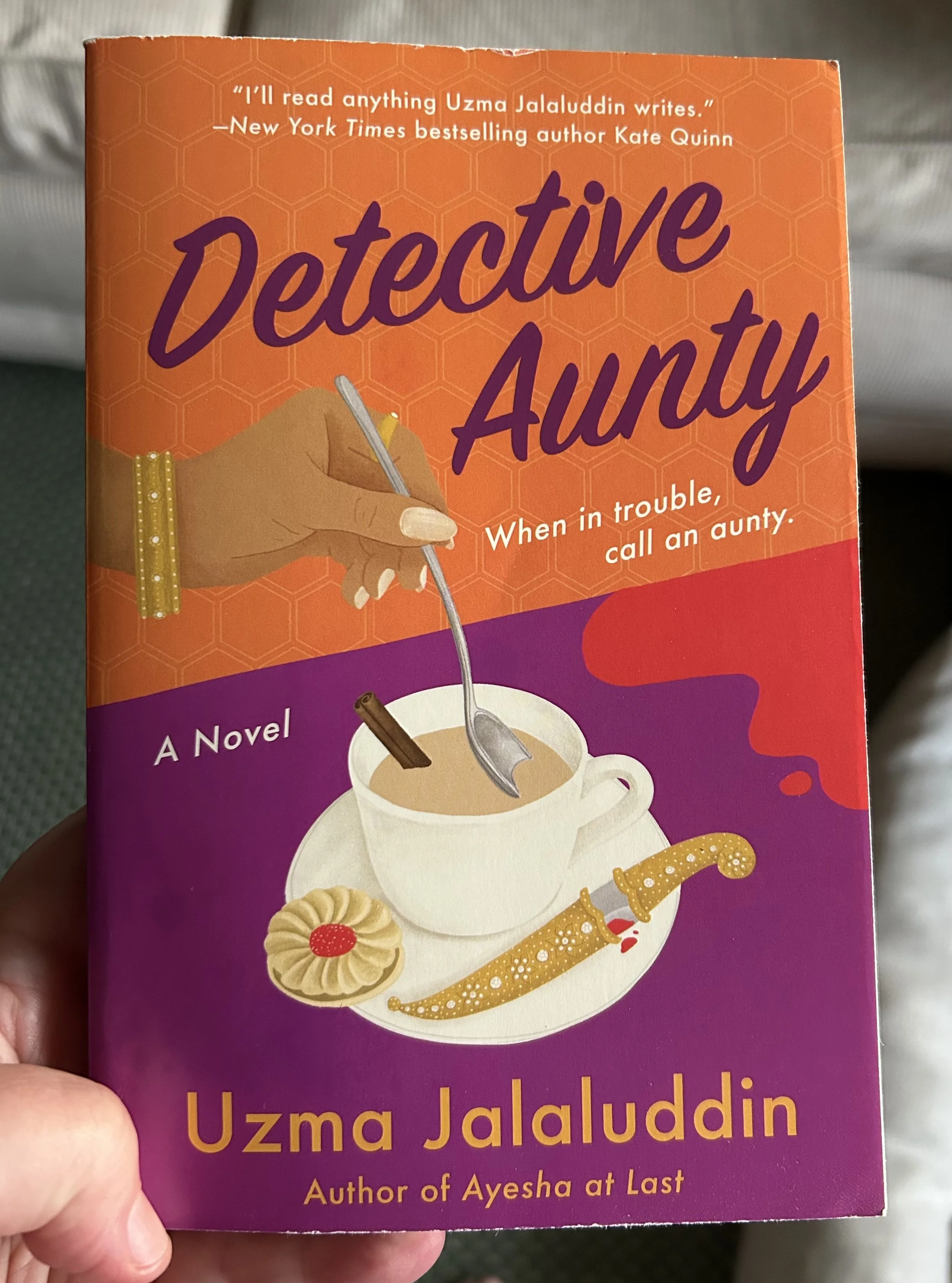
The Best Book I Read This Month: Detective Aunty by Uzma Jalaluddin

Five years ago this month, I read a delightful book called Hana Khan Carries On. It was the best book I read that month. I recently picked up another book by the same author (Uzma Jalaluddin), and it became the best book I read this month.

Detective Aunty is, as you might suspect from the title, a mystery. Set in Toronto, the story follows Kausar Khan as she tries to prove her daughter’s innocence after her daughter is accused of murder.

The mystery part of the story is a pretty standard cozy. The milieu in which it occurs is not. Detective Aunty focuses on a South Asian family that lives in a culturally diverse community, a community that is feeling the pressures of gentrification. The story’s big problem and Kausar Khan’s efforts to solve it are complicated by both personal and community issues. The characters, themselves, were also well-drawn. They were sometimes charming, sometimes trying, but always relatable and real.

I loved this book so much that as soon as I finished it, I looked to see if there’s more—and there is! The second Kausar Khan book is already on bookstore shelves. Don’t be surprised if it shows up here too one day. ;-)